Summary
Review last week before planning the next one so you can see what worked, spot what slowed you down, and build a more realistic week.
Pick the tasks that matter most, then block real time for both larger work and smaller follow-ups so your priorities do not get lost.
Leave buffer time for unexpected changes, and if you want one place to manage the week, use a tool that keeps tasks, schedules, and reminders together.
Ever feel like your week slips by without making much progress on your goals? You’re not alone, competing priorities and unexpected disruptions make it tough to stay on track. Planning your week effectively is one of the best ways to regain control and reduce stress. It’s not just about writing tasks down but creating a structured approach to make the most of your time.
In this blog, we’ll share practical strategies for planning your week and achieving more with less effort. Let’s look into how to set yourself up for success.
What is a Weekly Work Plan?
A weekly work plan helps organize your tasks, meetings, and priorities, ensuring your time is used efficiently. It provides structure to your activities, allowing you to tackle tasks proactively and stay focused. With a clear plan in hand, you can better manage your time and energy throughout the week. Let’s take a look at why planning your week is so beneficial.
Reasons Why You Should Plan the Week?
Planning your week sets the foundation for a focused and organized approach to your tasks, making it easier to stay on track. Here are some key reasons why it’s crucial to plan your week ahead of time:

Gain Clarity and Focus: When you plan the week, you know exactly what needs to be done and when. This clarity helps you avoid confusion and stay on track, making sure that you’re focused on what truly matters.
Manage Time and Prioritize: By allocating specific time slots for each task, you avoid overloading your schedule. This structure helps you focus on high-priority items and manage both urgent and long-term goals without feeling overwhelmed.
Reduce Stress and Avoid Crises: Having a clear plan allows you to anticipate challenges and manage your workload efficiently. By planning ahead, you avoid last-minute rushes and reduce the stress of scrambling to get things done.
Stay Motivated and Productive: Setting clear goals for the week creates a sense of direction and accomplishment. As you check off tasks, it keeps you motivated and moving forward, ultimately boosting productivity.
Improve Work-Life Balance: A good weekly plan includes time for work and personal life. By scheduling breaks, leisure activities, and time with loved ones, you maintain balance and avoid burnout while staying productive.
Knowing why planning your week matters is just the first step. The real impact comes from how you approach it and the strategies you use to make it work for you. Let’s dive into practical ways to plan your week effectively.
How to Plan The Week the Right Way
When you plan the week, you just don’t jot down tasks; you have to create a structure that supports your goals while leaving room for flexibility. The right approach can help you work smarter, reduce stress, and make time for what matters most. Here’s how you can set up your week thoughtfully and effectively.
Start by Reflecting on the Past Week
Review the previous week to identify what worked and what didn’t.
Consider what slowed you down: unclear goals, distractions, or lack of resources.
Use these insights to plan more efficiently for the upcoming week.
Get Clear on Your Priorities
Focus on tasks that drive the most impact, not everything needs to be urgent.
Prioritize high-impact tasks like client work or deadlines.
This keeps your week organized and ensures you’re working on the right things.
Block Time for Tasks
Schedule specific time slots for important tasks to avoid procrastination.
Dedicate uninterrupted time for larger tasks (e.g., presentations).
Set aside time for smaller, quick tasks like emails or calls.
Build in Some Flexibility
Things won’t always go as planned, so leave room for unexpected events.
Add buffer time between tasks to handle surprises.
Adjust when things take longer than expected without stress.
Find the Right Tools for You
The right tools can help manage tasks and reduce overwhelm.
Use tools that integrate tasks, schedules, and reminders in one place (e.g., Akiflow) to keep everything on track.
Once you have a solid approach to planning your week, the next step is finding the right tools to support your efforts. This is where Akiflow comes into play, offering features designed to streamline your planning process. Let’s explore how Akiflow can make your weekly planning even more effective.
How Akiflow Can Help Plan the Week Effectively

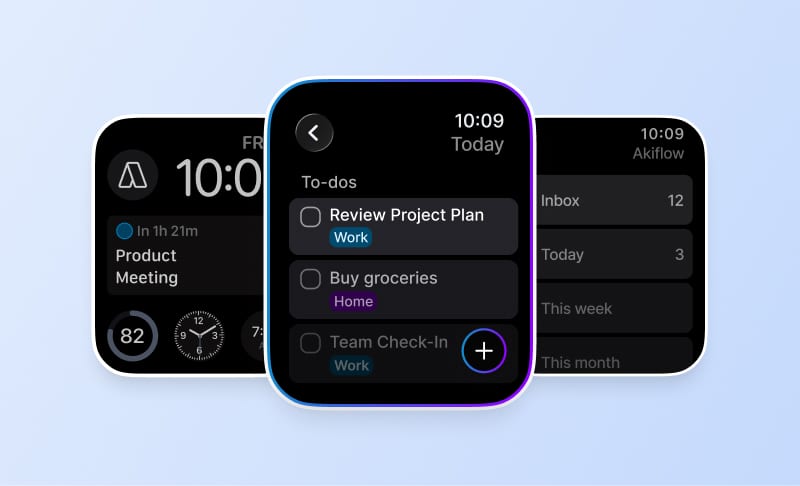
Akiflow is a powerful tool designed to help you plan the week effectively, streamlining your tasks and improving productivity. With its user-friendly interface and smart features, Akiflow simplifies the planning process, allowing you to focus on what truly matters without the chaos of juggling multiple apps. Here’s how Akiflow can assist you in planning your week:
Key Features:
Feature | Description |
Universal Inbox | Consolidates tasks from over 3,000 tools into one central inbox to avoid app-switching. |
Smart Notifications | Real-time alerts for meetings and deadlines across all devices to keep you on track. |
Focus Timer | Creates uninterrupted work sessions to help you concentrate deeply without distractions. |
Daily Rituals Assistant | Guides you through daily planning and organization to improve focus. |
Team Calendars | Easily view your team’s schedules to improve coordination and collaboration. |
Convert Chats and Emails into Tasks | Instantly turn emails or messages into tasks, capturing important ideas or reminders immediately. |
Offline Functionality | Allows you to work without an internet connection, maintaining productivity anywhere. |
Shortcuts and Command Bar | Customize shortcuts to perform routine tasks quickly, saving time and increasing efficiency. |
Wrapping Up
Planning the week doesn’t have to be an overwhelming task, and it certainly doesn’t need to be rigid. By implementing a thoughtful weekly planning process, you can structure your week to align with your priorities and allow for flexibility. When you plan the week effectively, you create a balance between work, personal goals, and unexpected challenges, making it easier to stay focused and productive.
But the key to making all of this work is having the right tools to support your planning. Without the proper systems in place, even the best week plan can fall apart. This is where tools like Akiflow come in.Take the next step and streamline your week plan with Akiflow. It integrates tasks, schedules, and reminders all in one place, giving you the structure and flexibility you need to stay on track. Try Akiflow Today!
Frequently Asked Questions
Where should I start when planning the week?
Review the previous week before adding new commitments. Look at what was completed and what slowed you down, including unclear goals, distractions or missing resources. Choose the upcoming week’s highest-impact priorities, then reserve time for larger tasks and smaller follow-ups while leaving space for work that arrives unexpectedly.
How should I handle unexpected tasks?
Assess the new task against your existing priorities before adding it to the plan. Use buffer time where possible, and move less important work or delegate when appropriate. Review the plan daily so the calendar reflects what you can realistically do, rather than adding each new request on top of a full schedule.
How do I avoid overloading my weekly plan?
Focus on key priorities rather than trying to schedule every possible task. Break larger pieces of work into smaller steps and reserve specific time for them. Leave gaps between commitments for overruns and unexpected events, and include breaks and personal commitments instead of treating the whole week as available work time.
How can I plan around distractions?
Reserve uninterrupted blocks for work that needs concentration and set boundaries around those sessions. Keep separate time for smaller tasks such as email and calls. If interruptions change the week, review the plan midweek and move work deliberately rather than assuming the original timetable must stay exactly the same.
What should I check at the end of the week?
Compare actual results with the plan and note what worked, what remained unfinished and what caused delays. Look for recurring obstacles such as distractions, unclear priorities or missing resources. Use that review to adjust the following week’s priorities and time allocations, rather than carrying the same plan forward unchanged.